Staying Well in High-Conflict disputes
DR CHRISTIAN HEIM
DR CAROLINE HEIM
2026 Alternative Dispute Resolution Conference
Bar Association of Queensland
VICARIOUS TRAUMA
MANAGING CLIENT EXPECTATIONS
2 TOOLS


VICARIOUS TRAUMA
What is Vicarious Trauma?
VICARIOUS TRAUMA: The emotional and psychological impact that can build up from repeated exposure to other people’s trauma, distress, and suffering.
TOOL 1: THE SHELVING TOOL
Heim, C. (2020). Preventing Vicarious Trauma: A Private Psychological Tool for Healthcare Workers. International Journal of Emergency Mental Health.



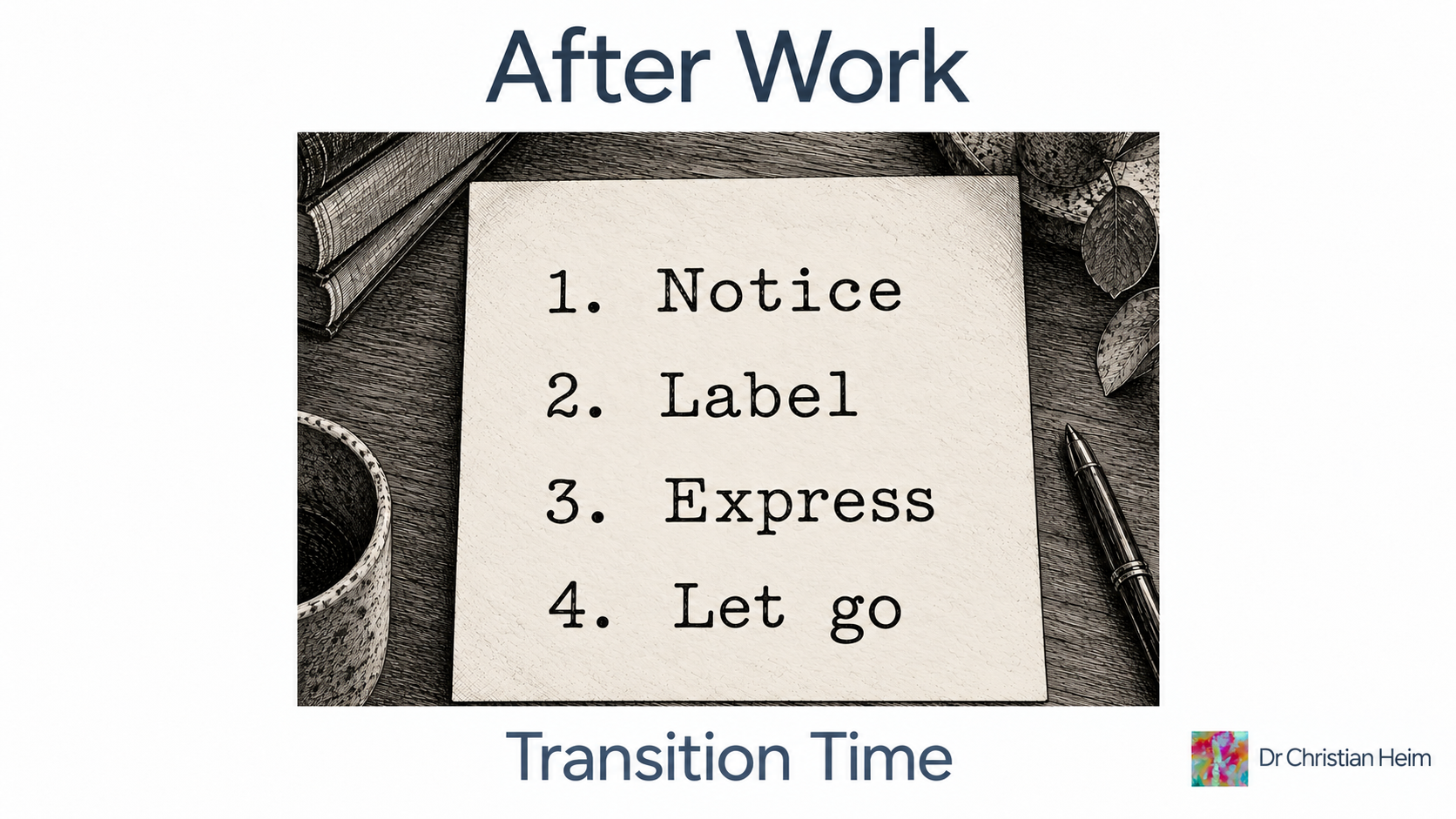
PSYCHOLOGICAL AND THEORETICAL BASIS OF THE SHELVING TOOL
THE SHELVING TOOL utilises 2 evidence-based principles:
1. Using re-exposure to strong emotions to decrease anxiety
2. Using mature defence mechanisms to alleviate anxiety
Each principle is empirically supported as discussed below.
EXPOSURE THERAPY. This is supported by evidence spanning decades.[1] Its core principle is controlled re-exposure to decrease anxiety. It is diametrically opposed to avoidance behaviours such as drinking alcohol, venting anger, isolating from peers, quitting, denying distress or putting on an air of invincibility. THE SHELVING TOOL involves conscious, private re-exposure to work-related emotions to safely process them, particularly in Walk through your day and Express shelved emotions.
MATURE DEFENCE MECHANISMS. Defence mechanisms help us deal with anxiety and distress.[2] Mature defence mechanisms are more effective and preferred, but the use of neurotic defence mechanisms is widespread: repression (pushing problem emotions away rather than expressing them, of course I can handle this, it’s my job!), rationalization (everyone else seems to cope; emotions only get in the way), and denial (I’m fine; I don’t want to talk about it; what’s the fuss?). THE SHELVING TOOL makes use of mature defence mechanisms in Anticipate strong emotions and Shelve strong emotions: anticipation (making room for an upcoming event such as trauma), and suppression (shelving emotions and dealing with them later). The use of humour, another mature defence mechanism, is also encouraged.
[1] Foa, E. B., Keane, T. M., & Friedman, M. J. (2000). Guidelines for treatment of PTSD. Journal of Traumatic Stress: Official Publication of The International Society for Traumatic Stress Studies, 13(4), 539-588.
[2] Vaillant, G. E. (1985). An empirically derived hierarchy of adaptive mechanisms and its usefulness as a potential diagnostic axis. Acta Psychiatrica Scandinavica, 71(S319), 171-180.
MANAGING CLIENT EXPECTATIONS
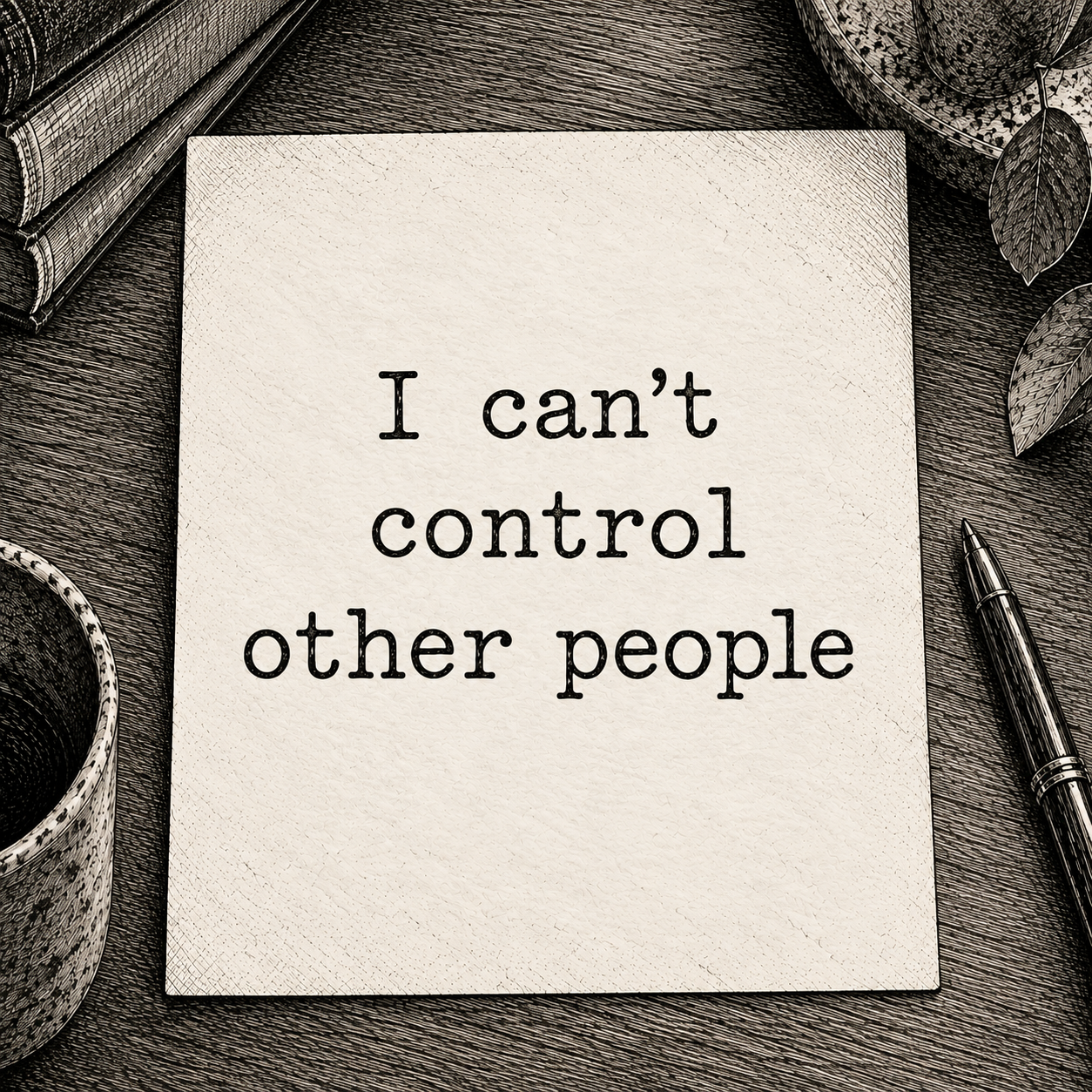
Today I will meet people who are meddling, ungrateful,
aggressive, treacherous, envious, and selfish.
They cannot distinguish good from evil.
But I know good is beautiful, and evil is ugly.
Yet we are all human. It doesn’t help to be angry.
We need to work together, like eyelids.
Emperor Marcus Aurelius, in Meditations (Book II, 1) second century.
TOOL 2: ARMED WITH YOUR VALUES
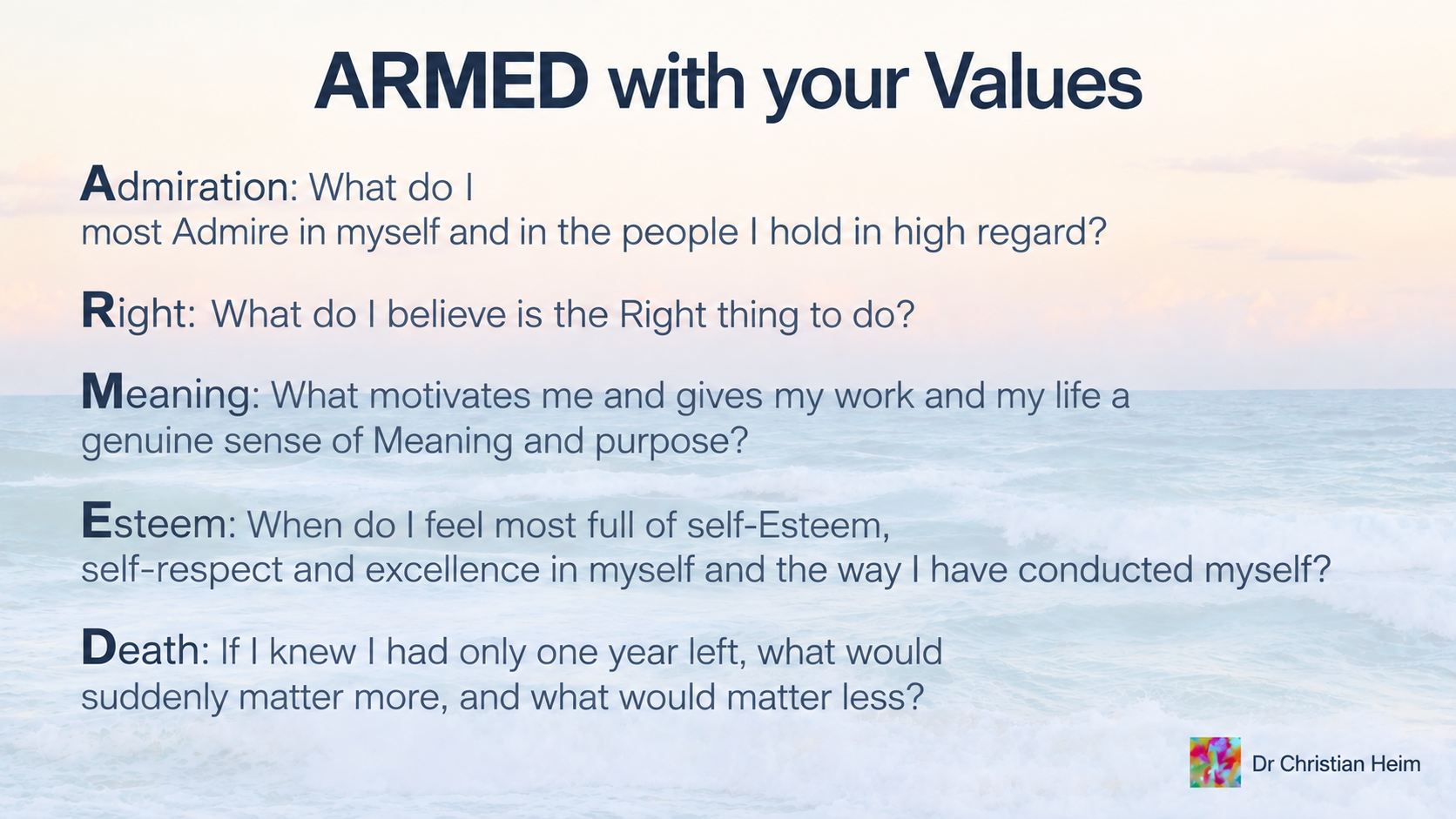
FIND A QUIET PLACE and answer these questions which will lead you to thinking about your values.
Ponder your own values.
Write down a list of your values. These will anchor you in your work and the decisions you make.
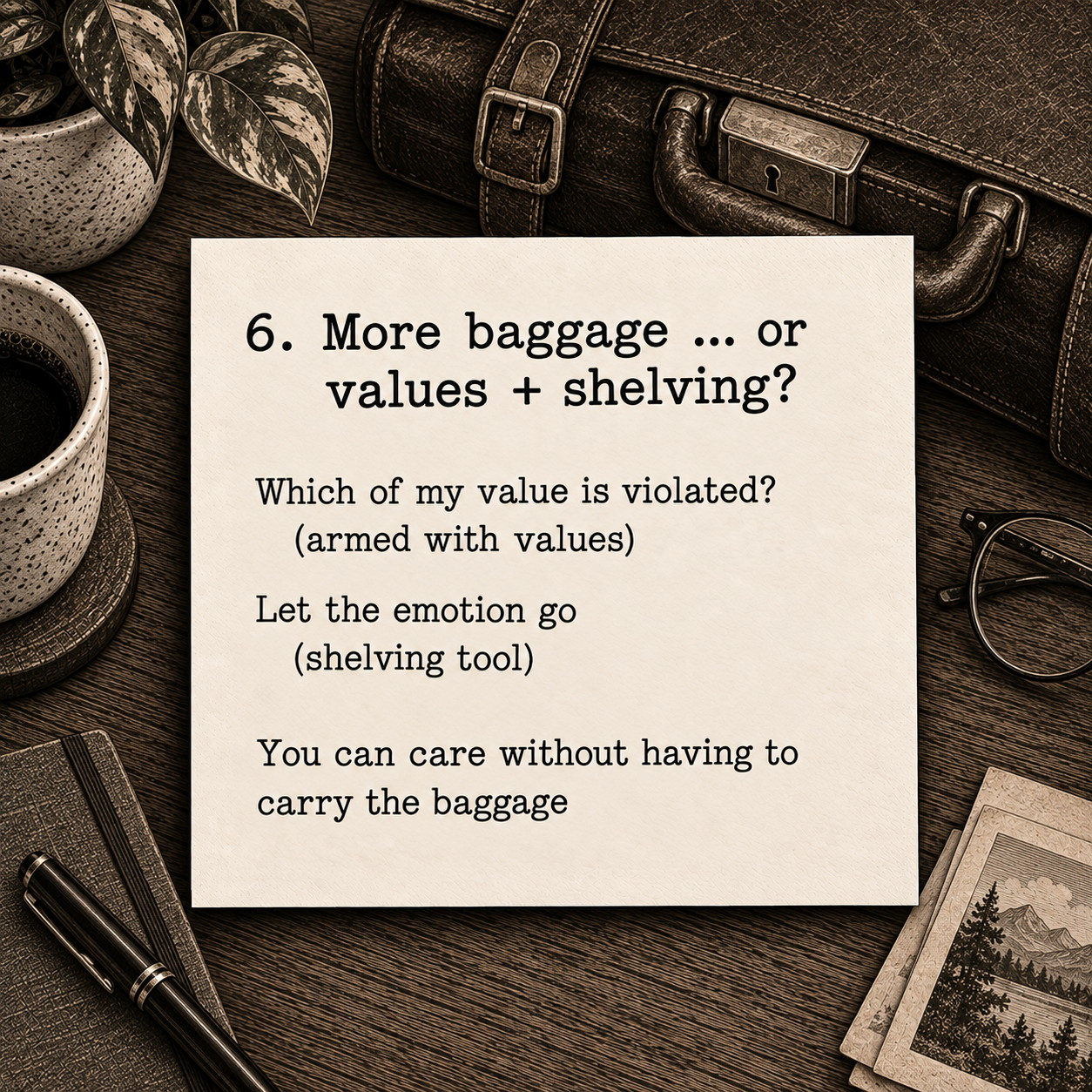
SIX TECHNIQUES TO HANDLE MORAL OUTRAGE
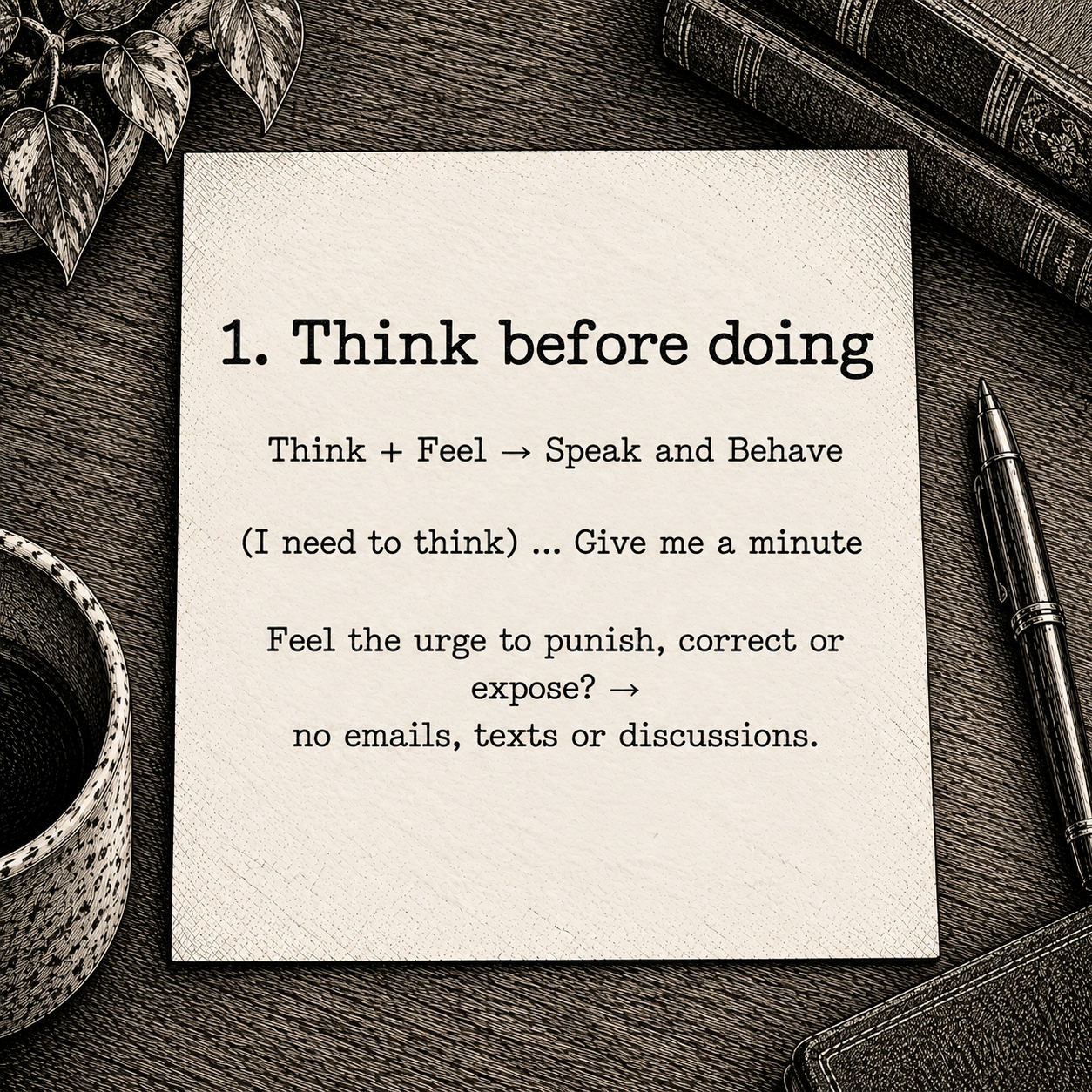
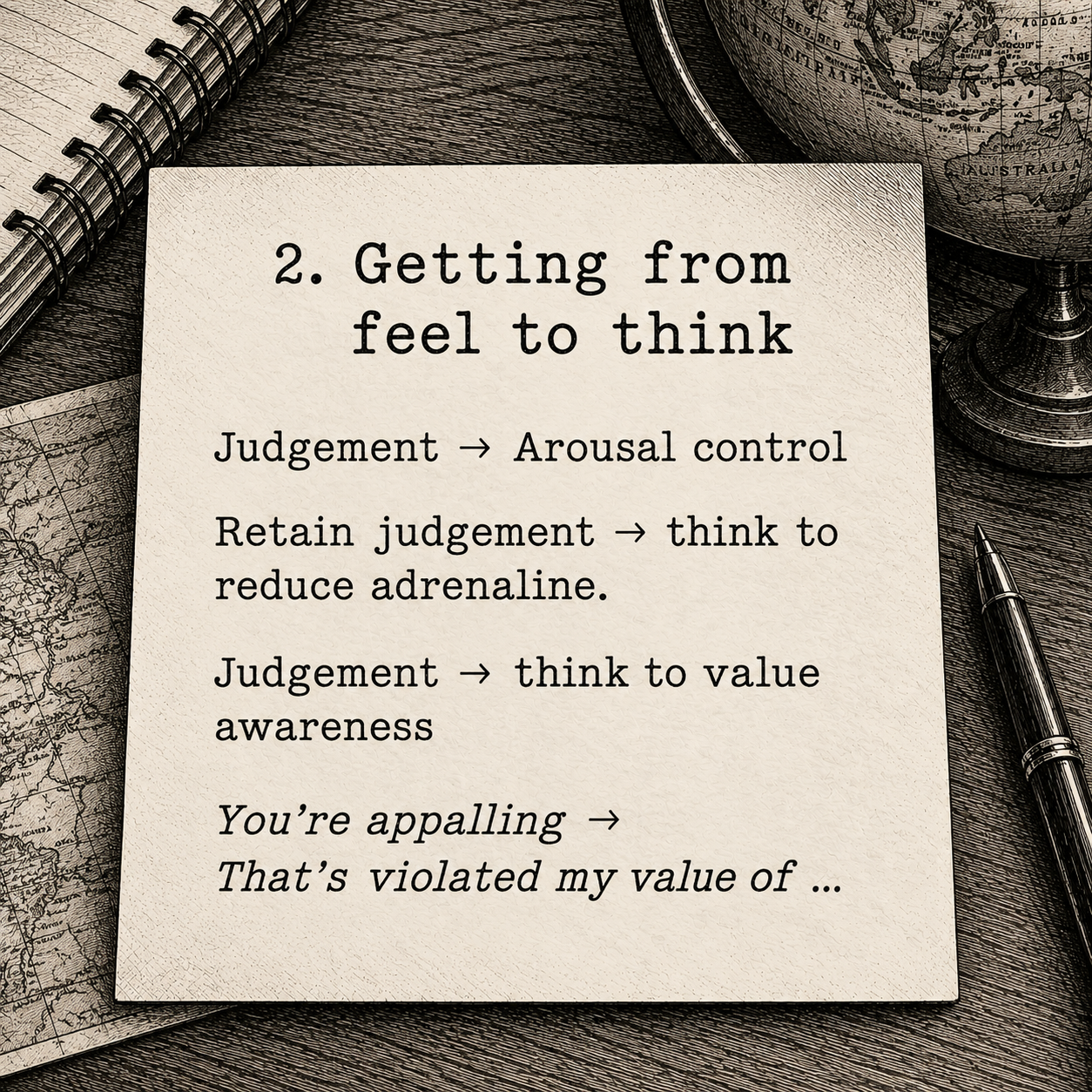
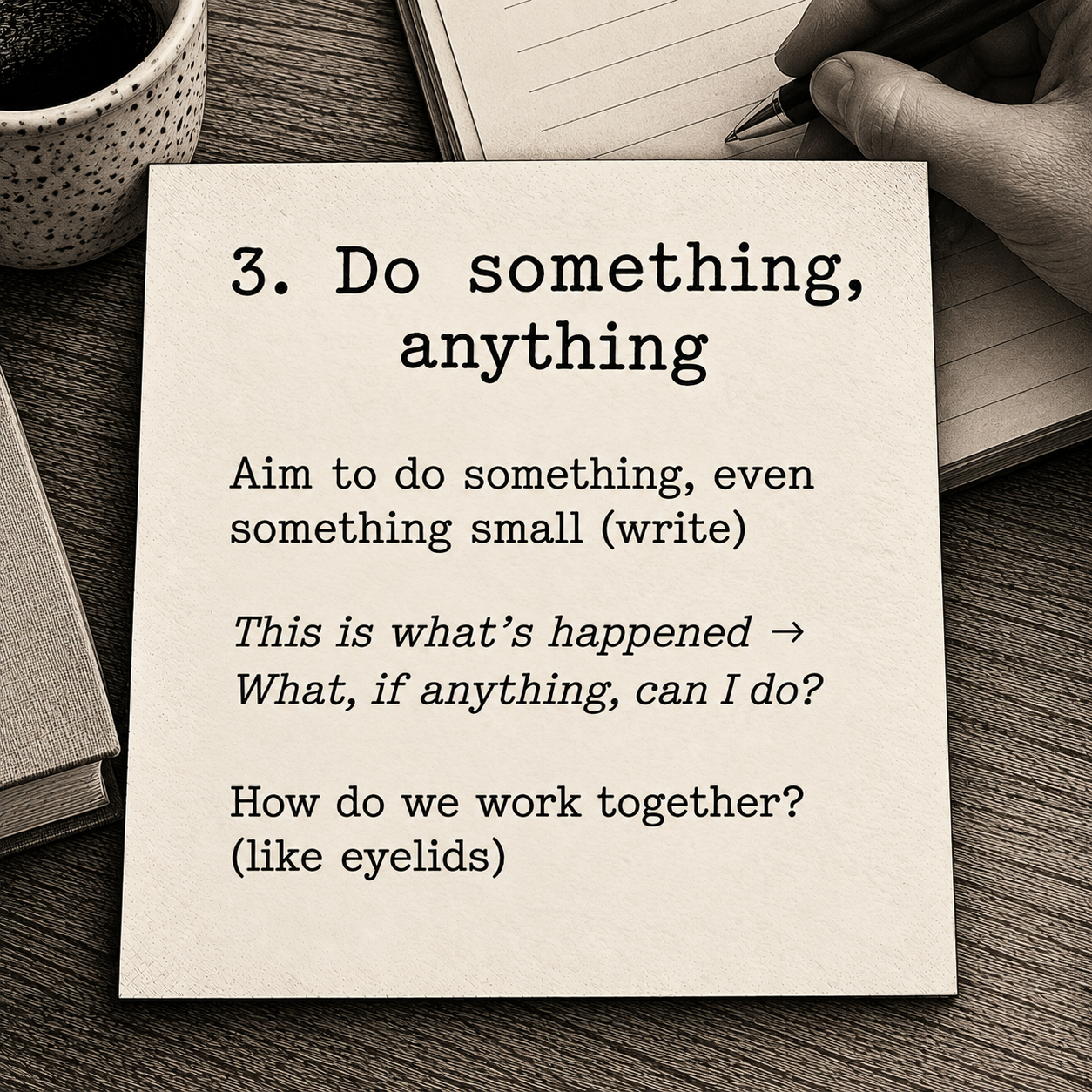
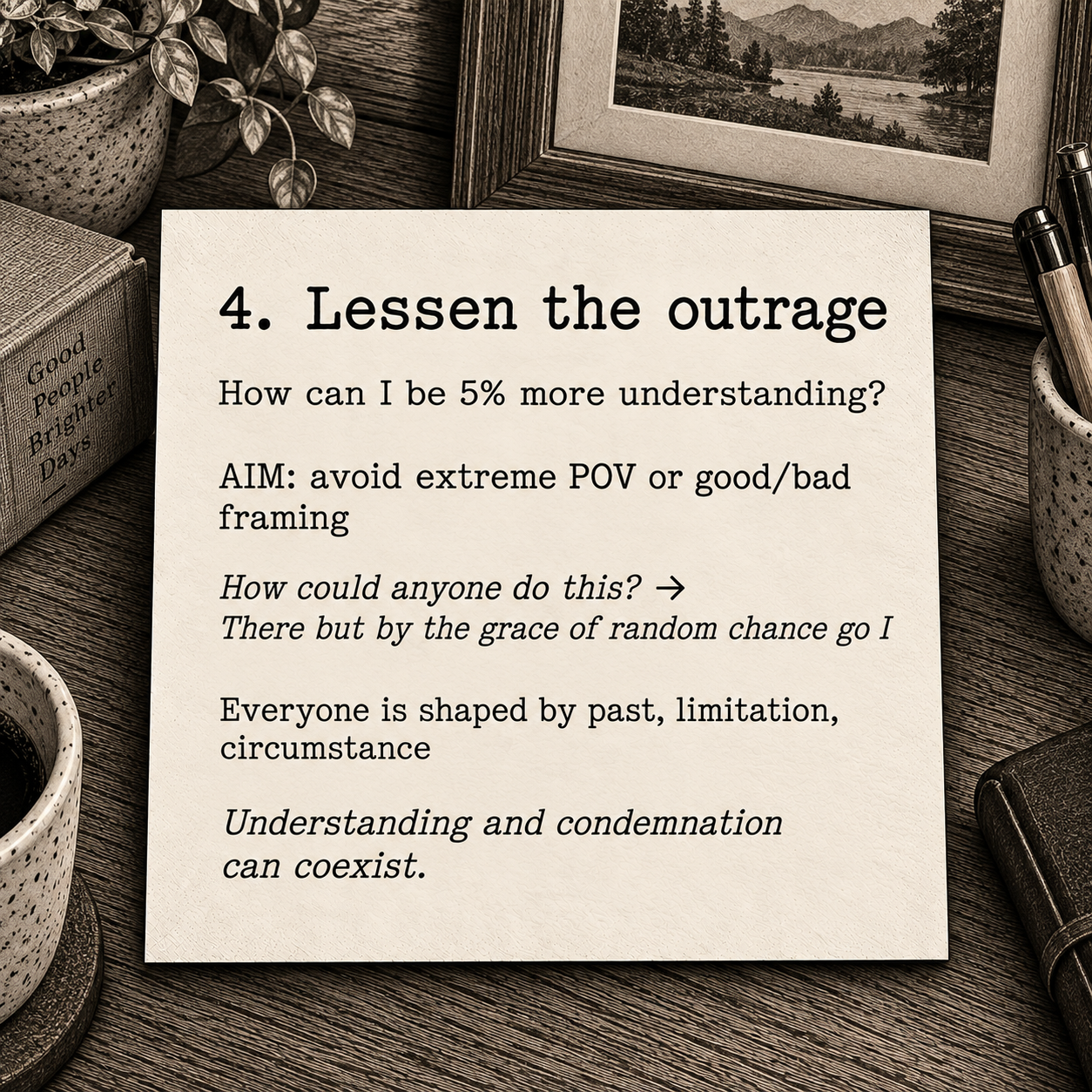
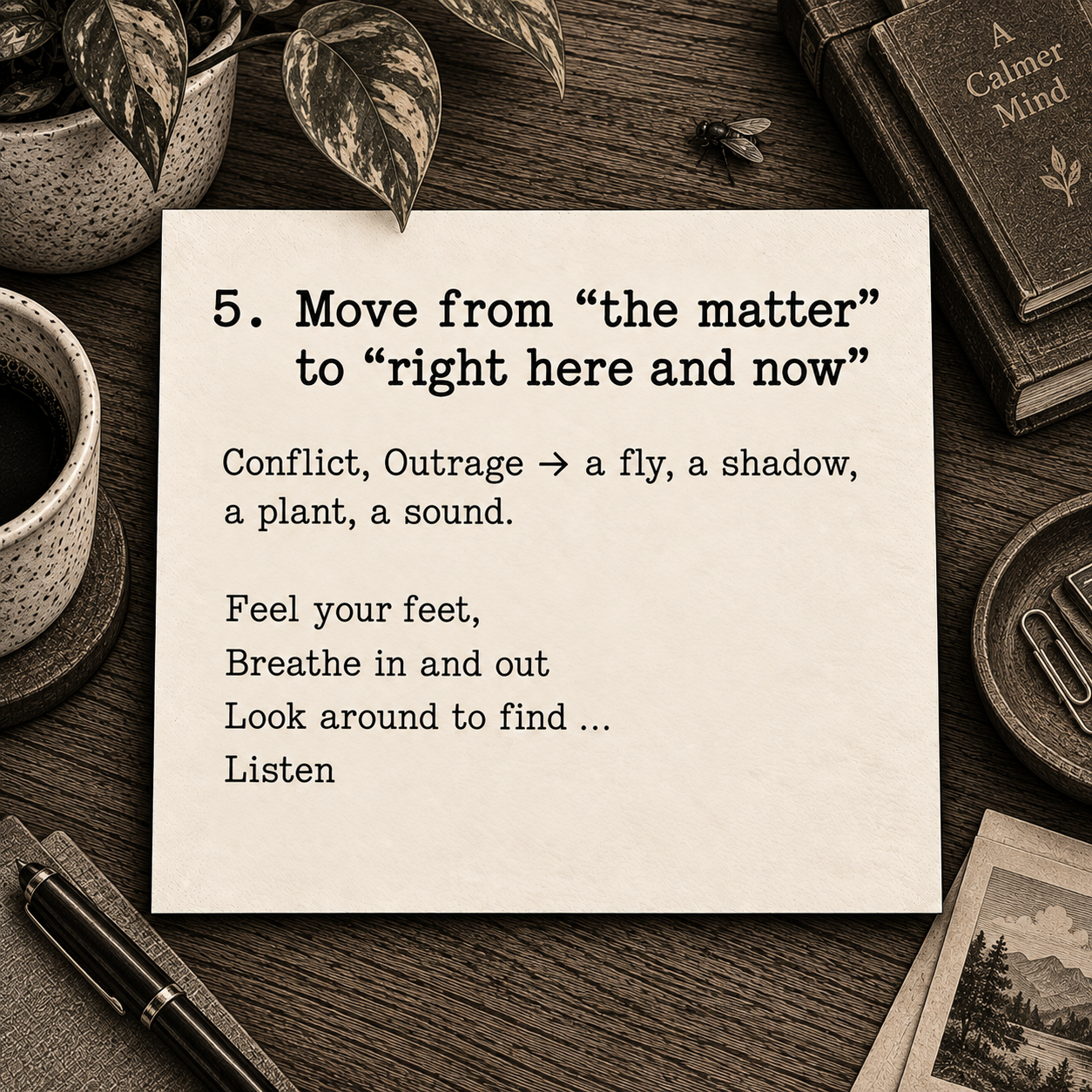
TAKE HOME MESSAGES
1 RECOGNISE AND PREVENT Vicarious trauma in your life
2 Sustain your long-term work with 2 tools: Shelving, Values
3 Your relationships are your greatest assets
OTHER RESOURCES
Evidence-based mental health tools, delivered monthly
Christian Heim’s article on Vicarious Trauma
Christian Heim’s article on Baroque Music and Dementia
BURNOUT
BURNOUT: “A state of physical, emotional, mental or spiritual exhaustion, due to prolonged logistical stress from career, job, or relationships.”
COMPASSION FATIGUE: “A normal but debilitating reaction to other’s suffering. It may include numbness and a loss of faith in humankind.”
AT RISK JOBS: Any high stress professions. Particulalry prevalent in Criminal Laywers, Fisrt-responders and Psychiatrists
CAUSES:
Job factors (long hours, no daily/weekly/yearly breaks, bullying, unreal expectations, poor leadership, dictatorial boss, constant adversarial approach, lack of vision)
Personal factors (lack of boundaries, people-pleasing, perfectionism, high expectations, comparisons, working at a job you don’t believe in, value clashes)
Relationship factors (loneliness, lack of support, children)
Societal factors (values, meaninglessness, lack of control, technology overload)
COMPLICATIONS: physical unhealth (headaches, backaches, chronic pain, fatigue, obesity) alcohol and drug abuse, depression, anxiety, loneliness, suicide.
How do I know if I’m heading for burnout?
SIGNS OF BURNOUT: AAAA (Anger, Adversarial approach, Alcohol increase, Apathy), cynicism, depression, lethargy, exhaustion, dread, sleeplessness, worry, “I don’t care,” behaviour change, overuse of shopping therapy, emptiness, hopelessness, risk-taking.
Do I need help now?
Am I functioning?
Do I need help?
Am I depressed, anxious, fatigued or unhealthy? GET HELP!
4 How do I manage it? What can I do?
THE BURNOUT TOOL
Boundaries: Limits to all but closest people
Understand self, stigma, society and silly expectations.
Recognise and prevent.
Need or want to work hard? Give yourself Choice
Other people and pursuits
Unwind: exercise, mindfulness, play all work and no play makes Jack a dull boy.
Talk to colleagues and people you love
SOME PRACTICALS
Practical Ideas to ponder
You don’t have to apologise for taking care of your mental health
Ask for help, you cannot do this alone, there is no shame in this
You ARE enough
Take care of yourself, you are worth it.
If you’re a driven person, you’re not driving
Be boss in your brain. Make decisions to take care of yourself.
Practical ideas to do
Busy? Work. Slow? Rest. Quiet? Walk away!
Set spaces in your home for work and play
Use an alarm clock at home, keep your phone at work, even for charging
How do I get proper down time when work hours are non-negotiable?
Always give yourself choice (even choice to leave the job)
Know your priorities
Leave margin of time. No time? = Impossible situation.
How many hours can we and our brains function daily?
Evidence shows that:
25 hours per week is optimal. Past this our cognitive ability decreases[i]
Lawyer’s’ long working hours (66hrs) lead to errors,[ii] injuries and car accidents.[iii]
>55 hours per week leads to significant decrease in brain’s reasoning ability[iv]
Increasing hours from a baseline leads to increased alcohol use, smoking, obesity, depression, anxiety, and heart disease.[v]
[i] Kajitani, Shinya, Colin McKenzie, and Kei Sakata. "Use it too much and lose it? The effect of working hours on cognitive ability." (2016).
[ii] Mul Fedele, Malena Lis, et al. "Multivariate analysis of the impact of sleep and working hours on medical errors: a MICE approach." BMC Public Health 23.1 (2023): 2317. Krigolson, Olave E., et al. "Using EEG to Assess Cognitive Fatigue in Real Time: A Medical Simulation Study." (2024).
[iii] Rodriguez-Jareño, Maria Cruz, et al. "European Working Time Directive and doctors’ health: a systematic review of the available epidemiological evidence." BMJ open 4.7 (2014): e004916.
[iv] Virtanen, Marianna, et al. "Long working hours and cognitive function: the Whitehall II Study." American journal of epidemiology 169.5 (2009): 596-605.
[v] Kajitani, Shinya, Colin McKenzie, and Kei Sakata. "Use it too much and lose it? The effect of working hours on cognitive ability." (2016).