Mental Health AND WELLBEING for Creatives:
FINDING MY IDENTITY + 3 Psychological Tools
IDENTITY
Ta-da! failure Tool
Mindful Tool
Values Tool
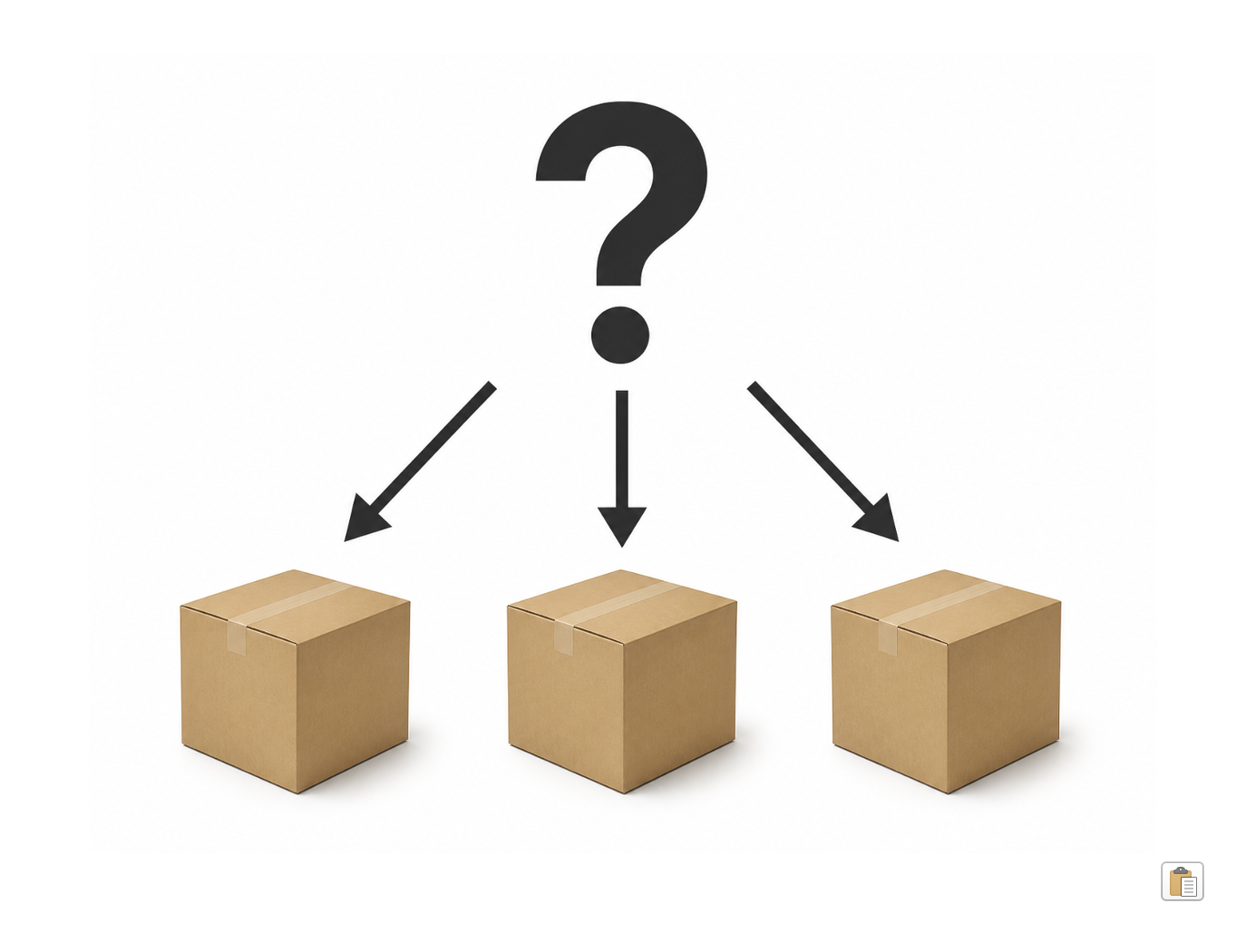
I WANT TO KNOW WHO I AM
I don’t like who I am
I don’t know who I am
I’m asking, ‘Who am I’?
DON’T FIND A BOX, FIND A HOME
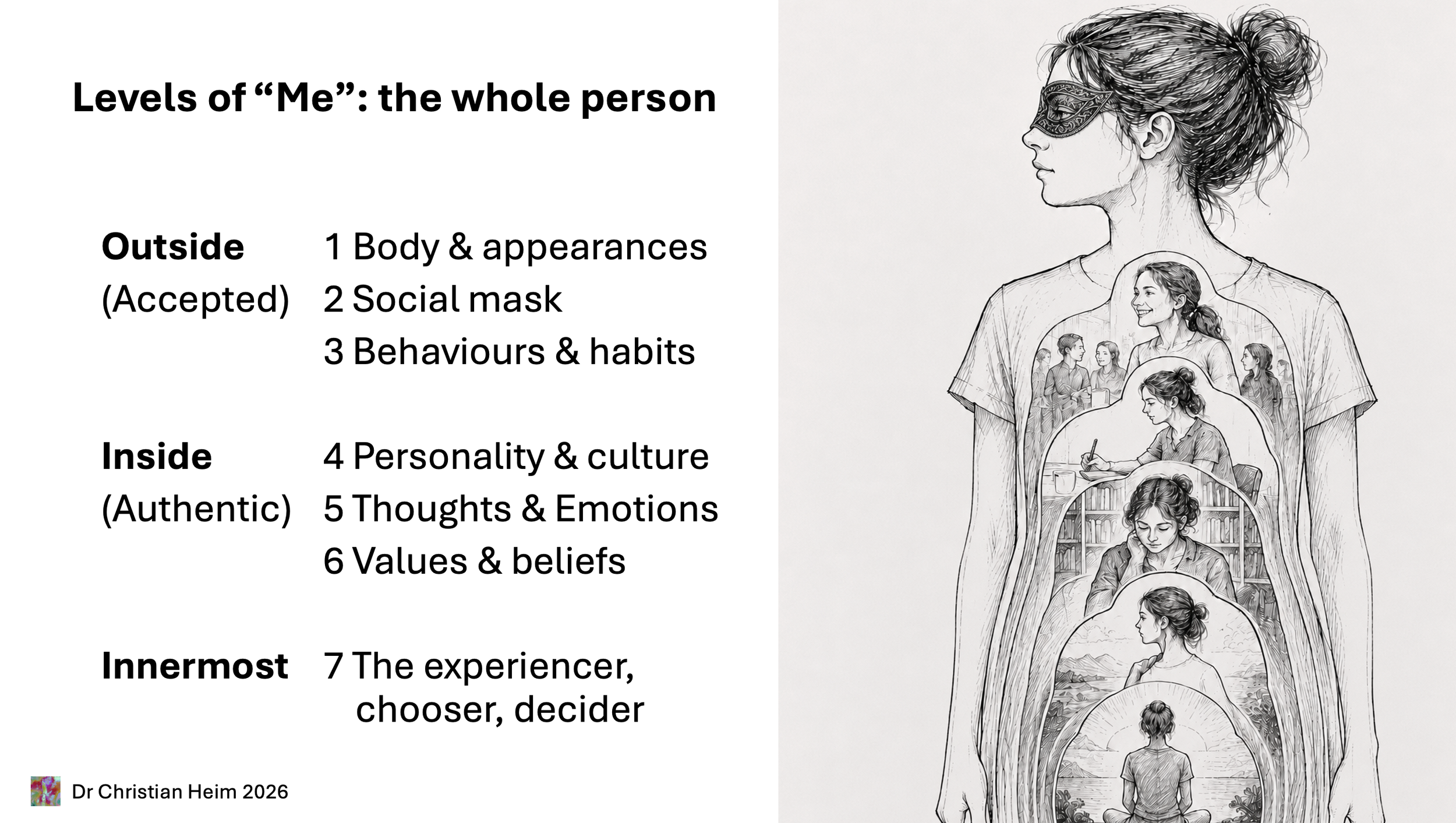
The “I” that makes up “who I am”
body, mind, brain, personality, hopes, desires, likes, dislikes, masks, things shared with others.
Your structure and frame; what others see
The “I” that wants to know,
the experiencer, chooser and decider
Your personal human life story; sense of self
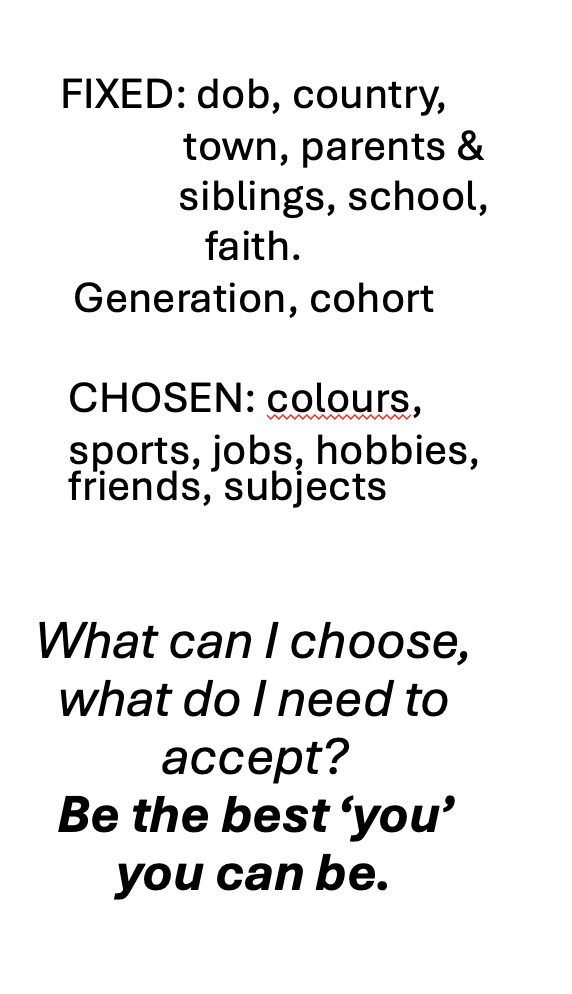
FIXED VS CHOSEN


SAME VS DIFFERENT

Society’s equality & difference
Accepted and authentic
Know yourself
To thine own self be true
Go with the flow
Kites rise against the wind
practicals for finding out
“who am I?”
Parents, close siblings or friends, ask them.
Life story: journey, look for decisions you made
List your fixed and chosen stuff
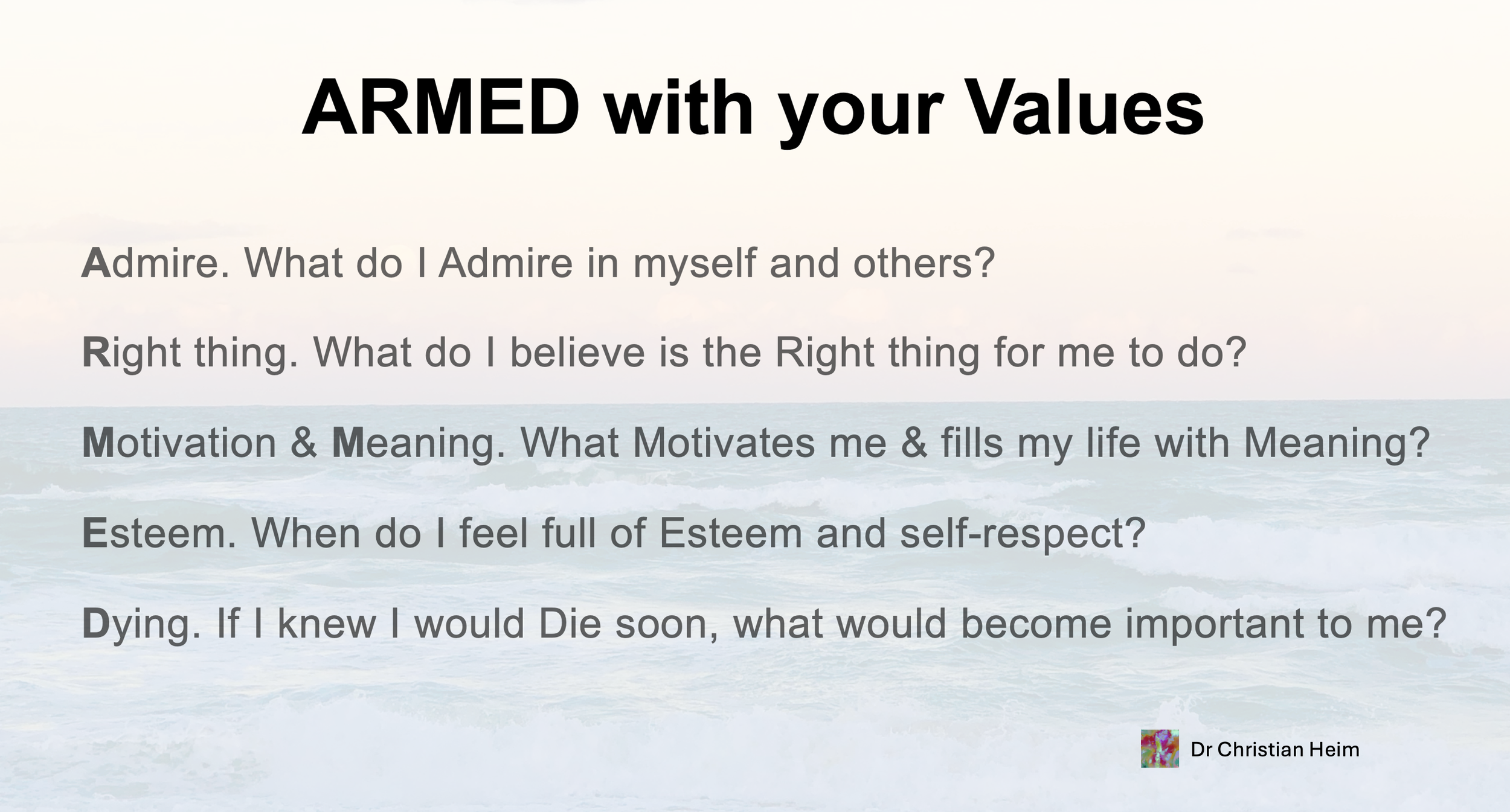
Armed with your values
Notice when your gut says “no” (keep boundaries)
Know and question your beliefs
Get away from social media messages!
Clowning, Shakespeare, Meisner
PSYCHOLOGICAL TOOLS
1. Ta-da! Failure Tool
You have to risk failing.
It’s OK to fail. This tool will help shut down
that inner voice that says
You’re useless
You’re not good enough.
THE TA-DA! FAILURE TOOL
Whenever you fail – drop a ball, say the wrong thing, take a wrong turn, fail an exam – you can go through negative emotions and you can also give yourself a “ta-da!” Proudly pump your fist into the air and exclaim I failed! Then sing-out ta-da-a-a-a-a-a!!, hold your hands out to an imaginary audience and shake them so your fingers flutter like wings. You will smile and feel better about yourself as you celebrate your failure and your humanity.
The Ta-da! Failure Tool is most effective when shared in a group. In a game of catch the ball, give a group ta-da! whenever someone drops the ball. It makes for fun and laughter. Share failure stories and give a group ta-da! and applaud the failure. Being able to show human weakness and vulnerability is a sign of strength; it protects mental health. Caroline and I give each other ta-das! whenever we can. It brings fun, laughter and togetherness.
With this tool, you celebrate the failure. This is liberating. Failure is OK. We can learn from the experience, but we don’t have to. If you want to learn from it, remember that
Success is success, Failure is success,
It is only in not trying that you really fail.
THEORY
We are human beings. No matter how hard we try to achieve, we will fail. I do. You do. Everyone. What can we do when we fail? Pick ourselves up and try again, but this is not always easy in the midst of difficult feelings, including being judged by others and harsh self-judgment. But what if we didn’t judge? What if we became like children playing, wanting fun alone? With a ta-da! we celebrate failure, just like children can. In a group, sharing failure stories and being applauded for failure is liberating as it goes contrary to societal norms.
Clowns live outside of societal norms. They look at life with curiosity. And they can celebrate failure. They invite us to pause, look at our hypocrisy and stifling conventions, and learn with curious wonder. Medieval court jesters would entertain, challenge and contend with us taking ourselves too seriously or creating too many social burdens. Till Eulenspiegel was a “wise-[owl]-mirror” and Arlecchino, Pierrot, Columbine, and Punchinello exhibited pathos and wisdom. Few people are “wise enough to play the fool” and many Shakespeare plays feature clowns with insights.
Failure is difficult; we fear rejection and humiliation. Yet; we all fail. We are all human, so celebrating failure is celebrating our humanity. Our humanity is worth celebrating in a society where we often can feel like functions rather than human beings.
You can be judged for what you do, but not for who you are.
You are a human being, not a human doing.
Ta-da!
The “jazz hands” which accompany a rousing Ta-da! is featured in Broadway Musicals, Comedy Revues and Cheerleading. Choreographer/director Bob Fosse (Sheet Charity, Cabaret, Chicago, All that Jazz) used jazz hands with shaking fingers as an expression of inner excitement. Jazz hands helps us move from fear of failure to celebratory excitement through the brain reinterpreting fear’s arousal as the arousal of humble excitement.
2. MINDFUL TOOL
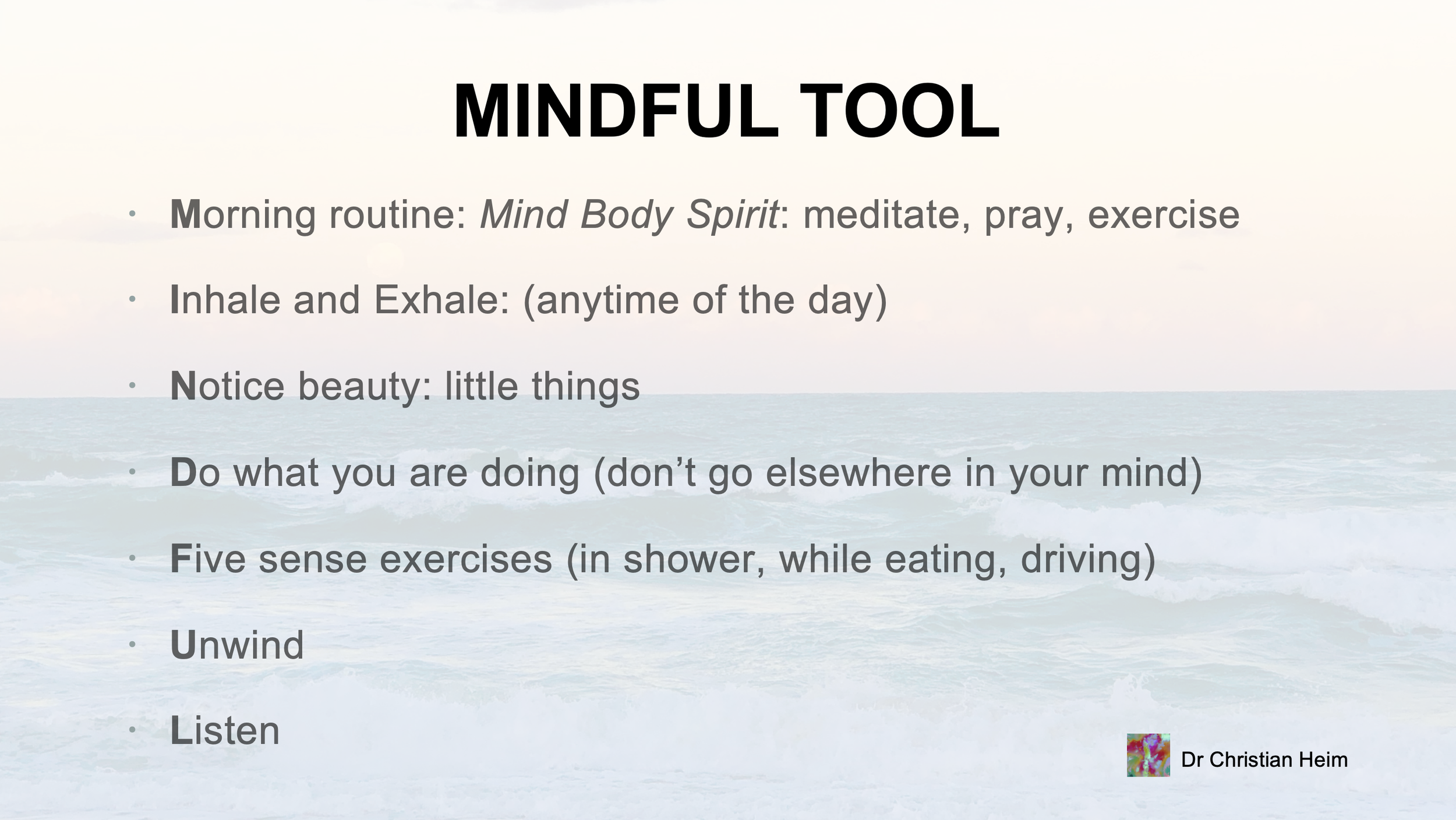
Link to Downloadable Deep Breathing Exercise with Dr Christian Heim on Piano
3. VALUES TOOL
Theory
You can find our posts on values HERE: what they are, and the theory behind them. To do anything, the brain has to value it.
What are values?
Values are “ambitions with a moral connotation”(1) and personal imperatives of what “ought to be.”(2) They interact with but are distinct from our personality.(3)
Our definition is:
Values are our culturally-inherited principles, refined by choice … to guide our priorities, goals, behaviours, and decisions.(4)
Values can be ideals (loyalty), legal principles (do not steal), leisure-based (have fun), socio-political (equality), workplace-based (greed is good), relational (be kind to others) and more. We naturally feel that others ‘ought’ to live by certain values, particular our own, while knowing that values vary from person to person. This leads to clashes and conflict. A list of values is endless. They are instilled into us as children by parents, teachers, collective history, culture, beliefs, the legal system, societal trends, and more. As we grow, we accept or reject our parents’ and others’ values while forming our own unique value system.
What’s the difference between goals and values?
This world emphasizes achieving goals. Make sure your goals line up with your values. Achieving goals while neglecting values can lead to depression. I’ve seen it in clinical practice: the successful businessperson who loses their family, the traveller chasing experiences but missing self-acceptance, the celebrity liked by all but close to no one.
How can I know my values? Consider this tool while you sit quietly for a few hours:
RESOURCES
Link to page on how to determine and live by your values
Link to Swinburne University Study Mental health and wellbeing in creative industries Australia
CONNECT
INSTAGRAM @drchristianheim (for general mental health reels by Christian)
@collegementalhealthpodcast (for specific university mental health reels by Caroline)
WEBSITE www.drchristianheim.com (Blogs, Scientific Articles, Books etc)
Join our email list for monthly expert-backed resources on mental health, recovery, and navigating life

PODCAST HOSTED BY DRS HEIM